FARALLON FILMS
Award-winning films by Steven Okazaki

“Compelling and compassionate... A stirring and heart-wrenching statement of the horrible powers that mankind holds in its fist.”
80 years later, most people still know little about what occurred in Hiroshima and Nagasaki on August 6 and 9 in 1945. The mega-hit OPPENHEIMER devoted three hours to the story of the men who built the atomic bombs and less than three seconds to the fate of the people below. WHITE LIGHT/BLACK RAIN provides a comprehensive, straightforward and moving account of the only time nuclear weapons have been used in war told by the people who were there and whose lives were forever changed.
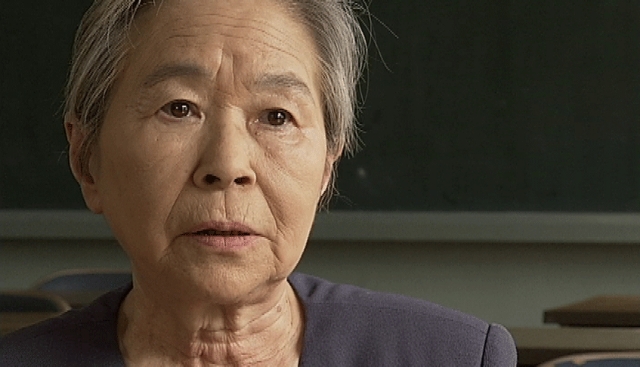
In 86 powerful minutes, Steven Okazaki’s WHITE LIGHT / BLACK RAIN explores the bombings of the two cities and their aftermath. There’s no narration or interviews with historians, scientists or other experts. The story is told through vivid first-hand accounts from fourteen Hiroshima and Nagasaki survivors, known as hibakusha, many of whom had never spoken publicly before. They describe, in riveting detail, what they were doing in the moments before the bomb fell, then the flash, the powerful explosion, and the horror and chaos that followed. The hibakusha (85% of the bombs’ victims were civilians) recount their lives in the weeks, months, years and decades after as they continued to suffer from burns, radiation-related illnesses and cancers, starvation, poverty, discrimination, and government negligence.
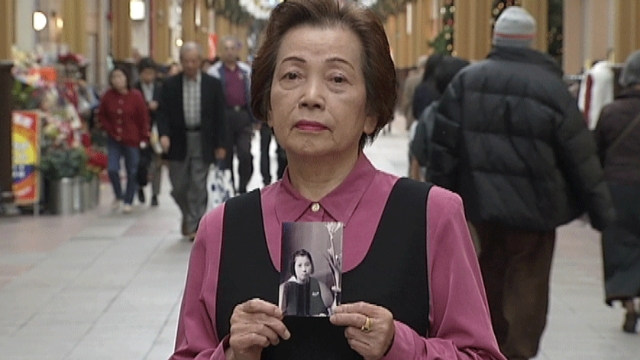
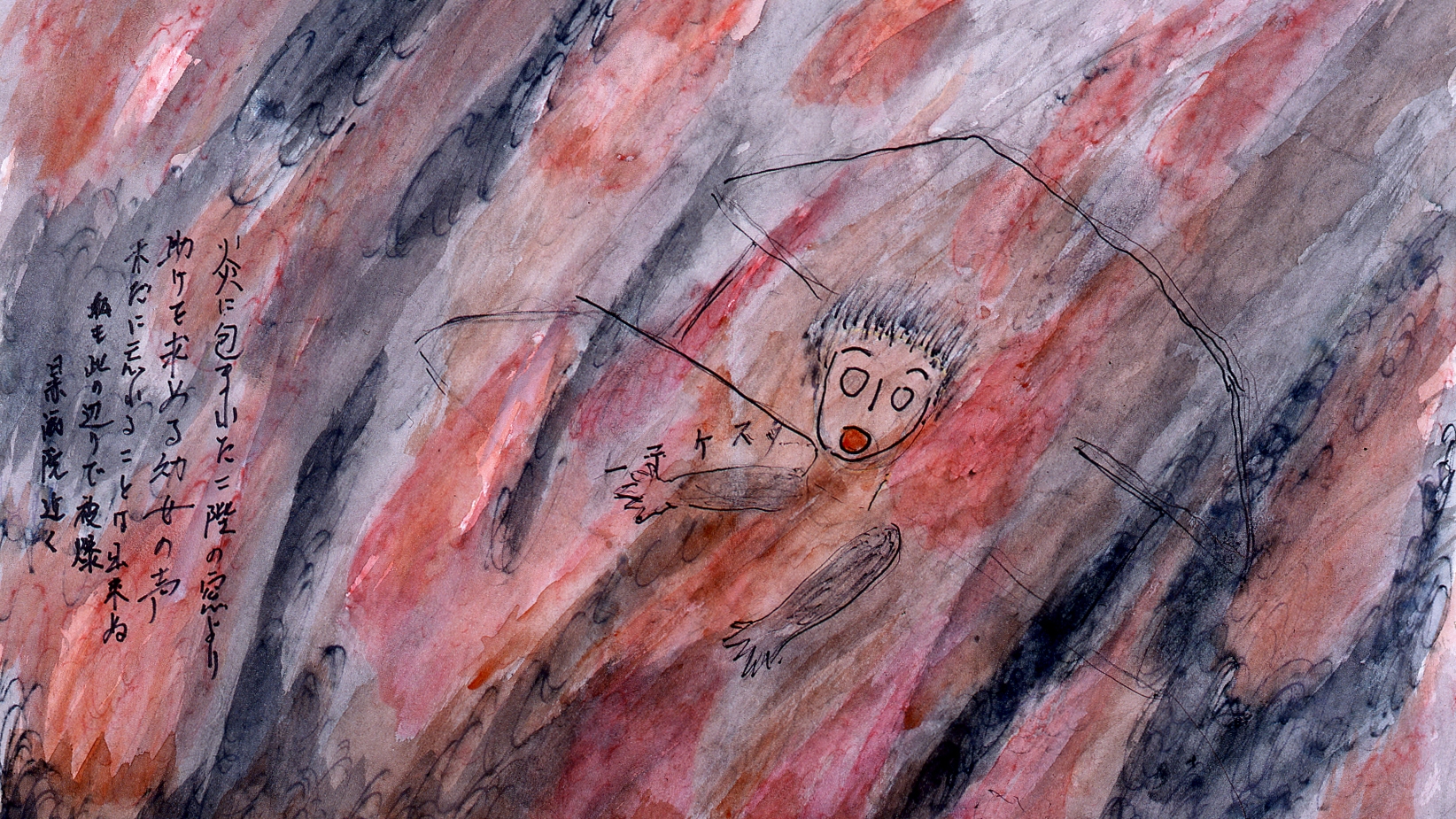
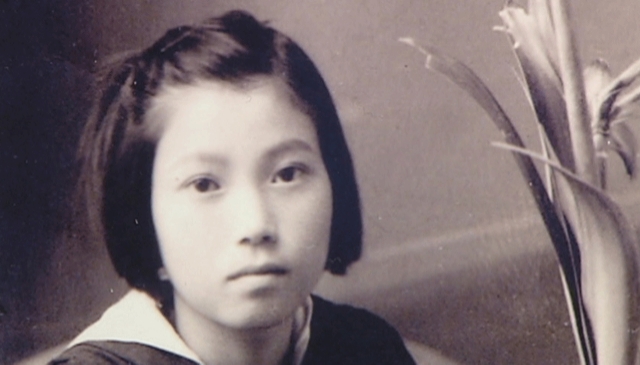
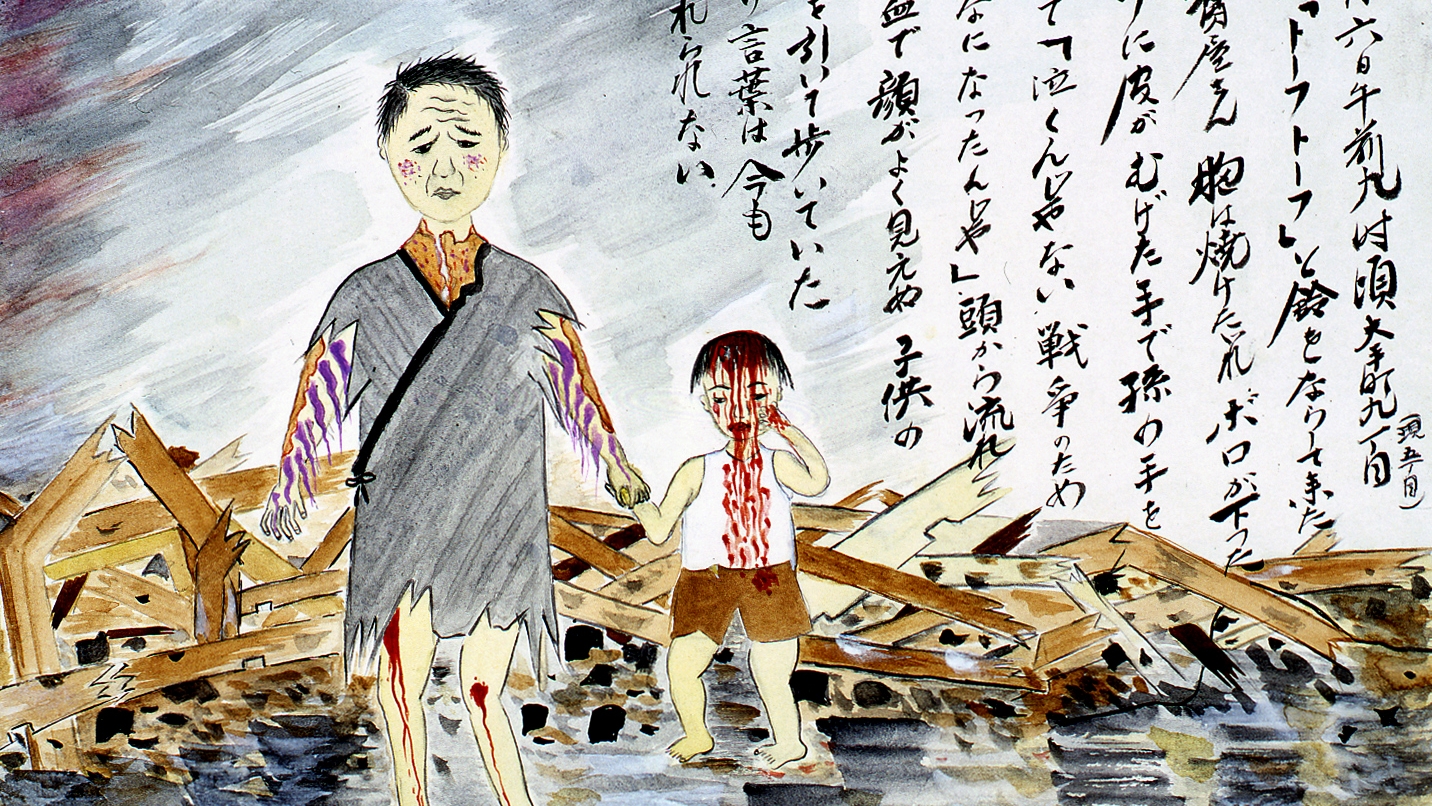
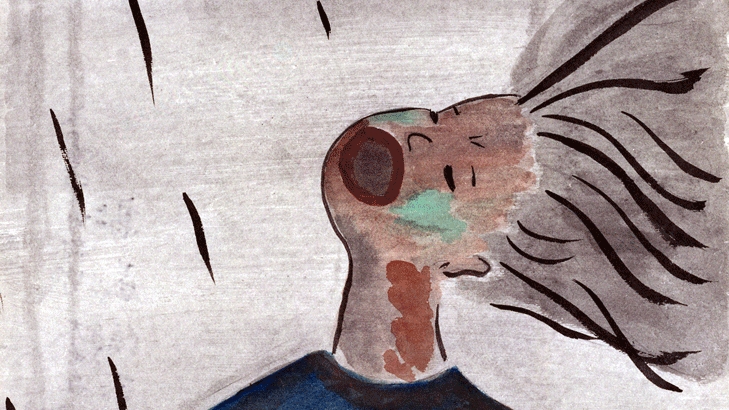
The film features Kiyoko Imori, just blocks from the hypocenter, the only survivor of an elementary school of 620 students. Shuntaro Hida, a young military doctor, who saw the mushroom cloud rise, then rushed towards it to provide medical care. Keiji Nakazawa, who lost his father, brother and two sisters, devoted his life to re-telling their story in comic books and animation. Etsuko Nagano still can't forgive herself for convincing her brother and sister to come to Nagasaki just weeks before the bombing. Sakue Shimohira, 8 years-old then, considered killing herself after losing the last member of her family: "I realized there are two kinds of courage — the courage to die and the courage to live." With a calm frankness that makes their stories unforgettable, the hibakusha bear witness to the unfathomable destructive power of nuclear weapons. Their accounts are illustrated with survivor paintings and drawings, animation, historical footage and, photographs, including rare and never seen before material.
Also featured are interviews with four Americans, including Theodore “Dutch” Van Kirk, the navigator of the Enola Gay, the plane that carried “Little Boy,” the bomb that destroyed Hiroshima; Morris Jeppson, the weaponeer who released the bomb, and two scientists on the observer planes that accompanied the B-52s that carried the bombs.
The filmmaker researched the project for more than twenty years and met more than 500 hibakusha, then pre-interviewed more than 100 subjects to find the fourteen in the film. WHITE LIGHT / BLACK RAIN stands as the most comprehensive, journalistically accurate, and moving depiction of the atomic bombings of Hiroshima and Nagasaki.
Produced for HBO DOCUMENTARY FILMS
Executive Producer: Sheila Nevins
Produced, Directed & Edited by STEVEN OKAZAKI
2007 / Documentary / 86 Minutes
