FARALLON FILMS
Award-winning films by Steven Okazaki
BIOGRAPHY
STEVEN OKAZAKI
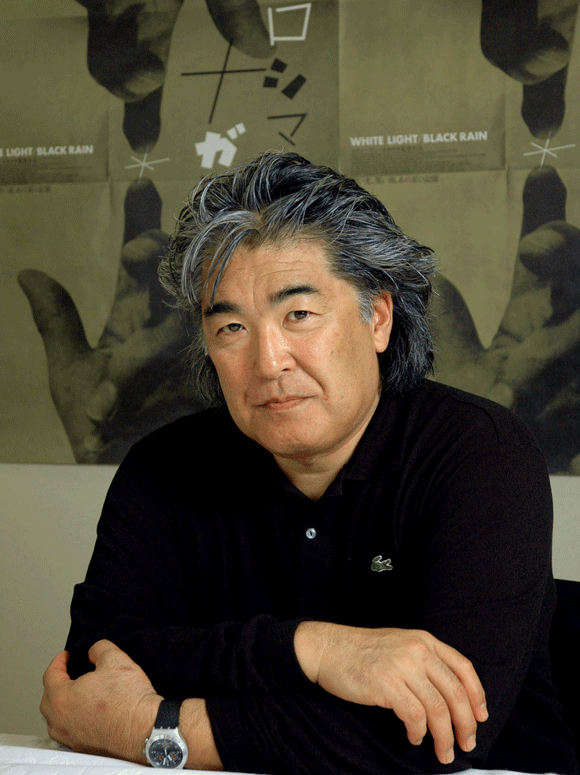
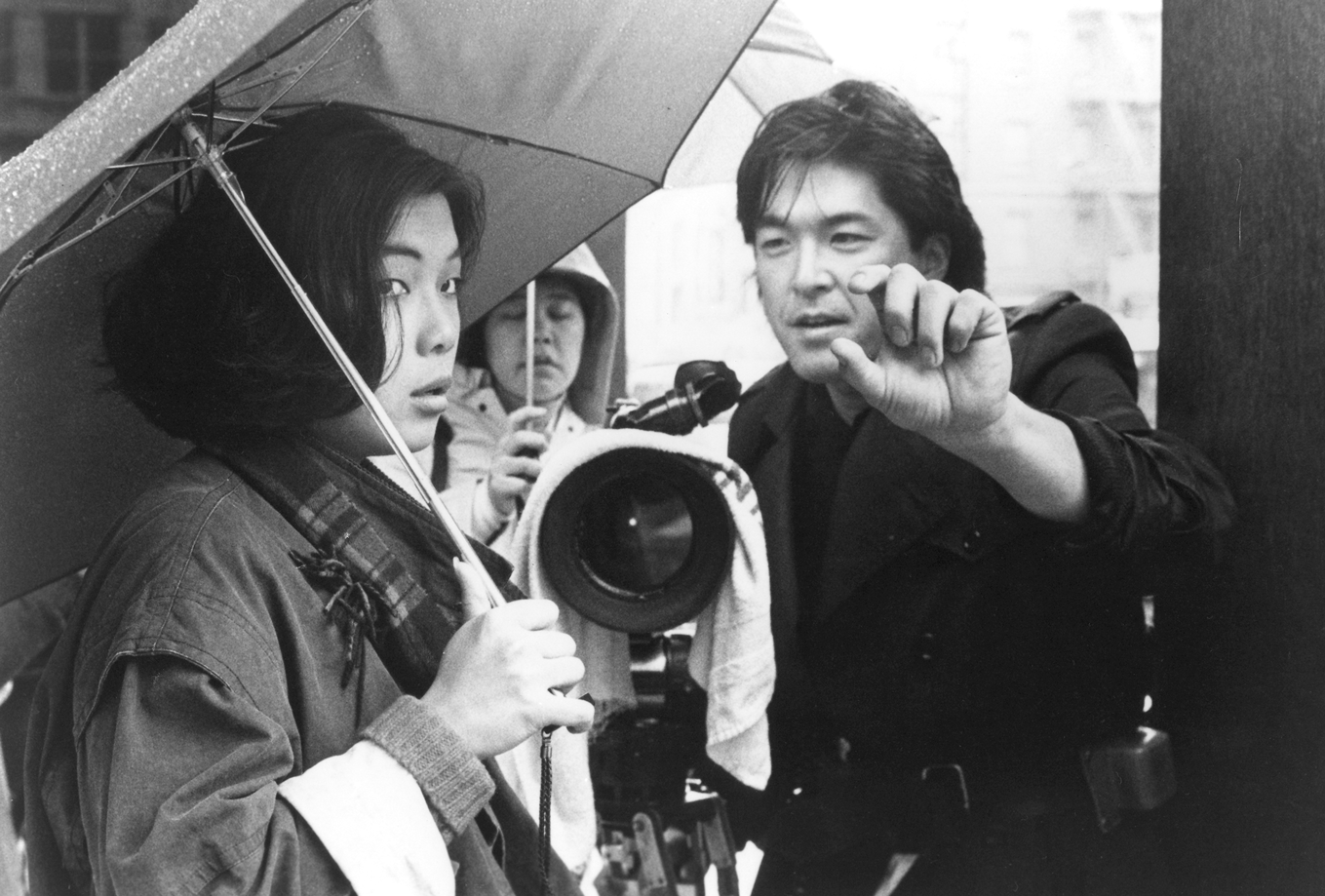
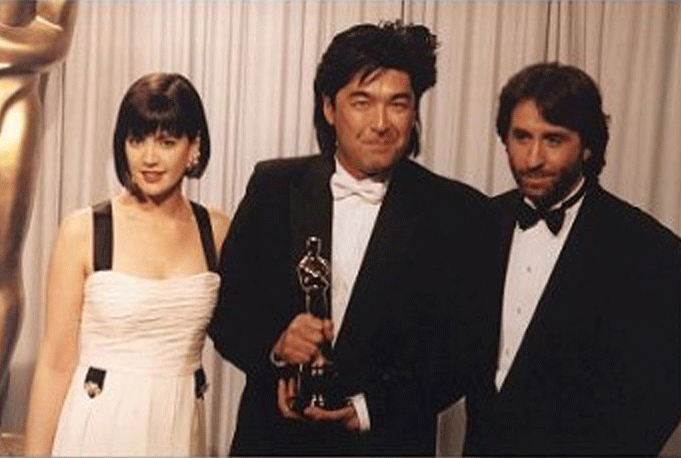
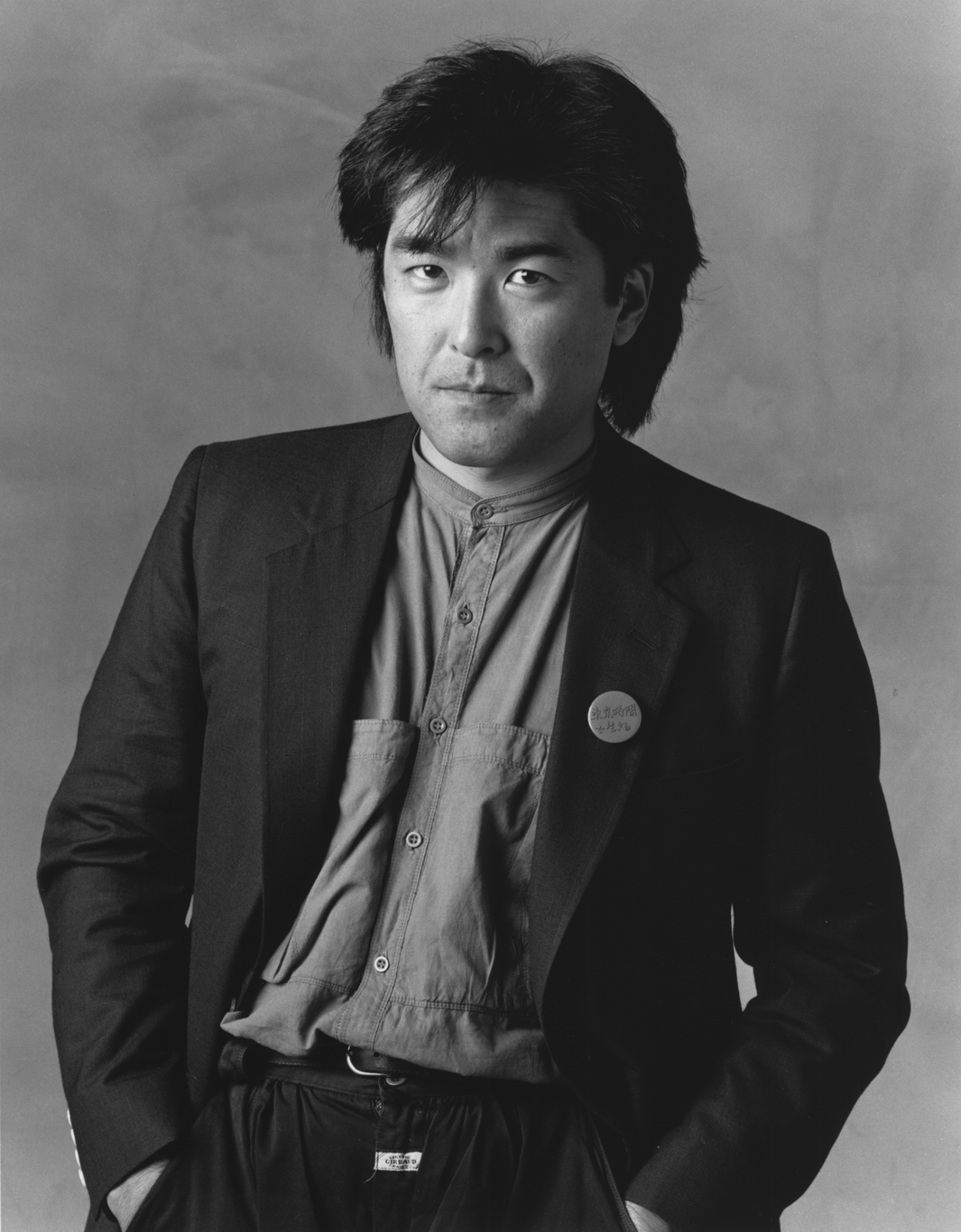
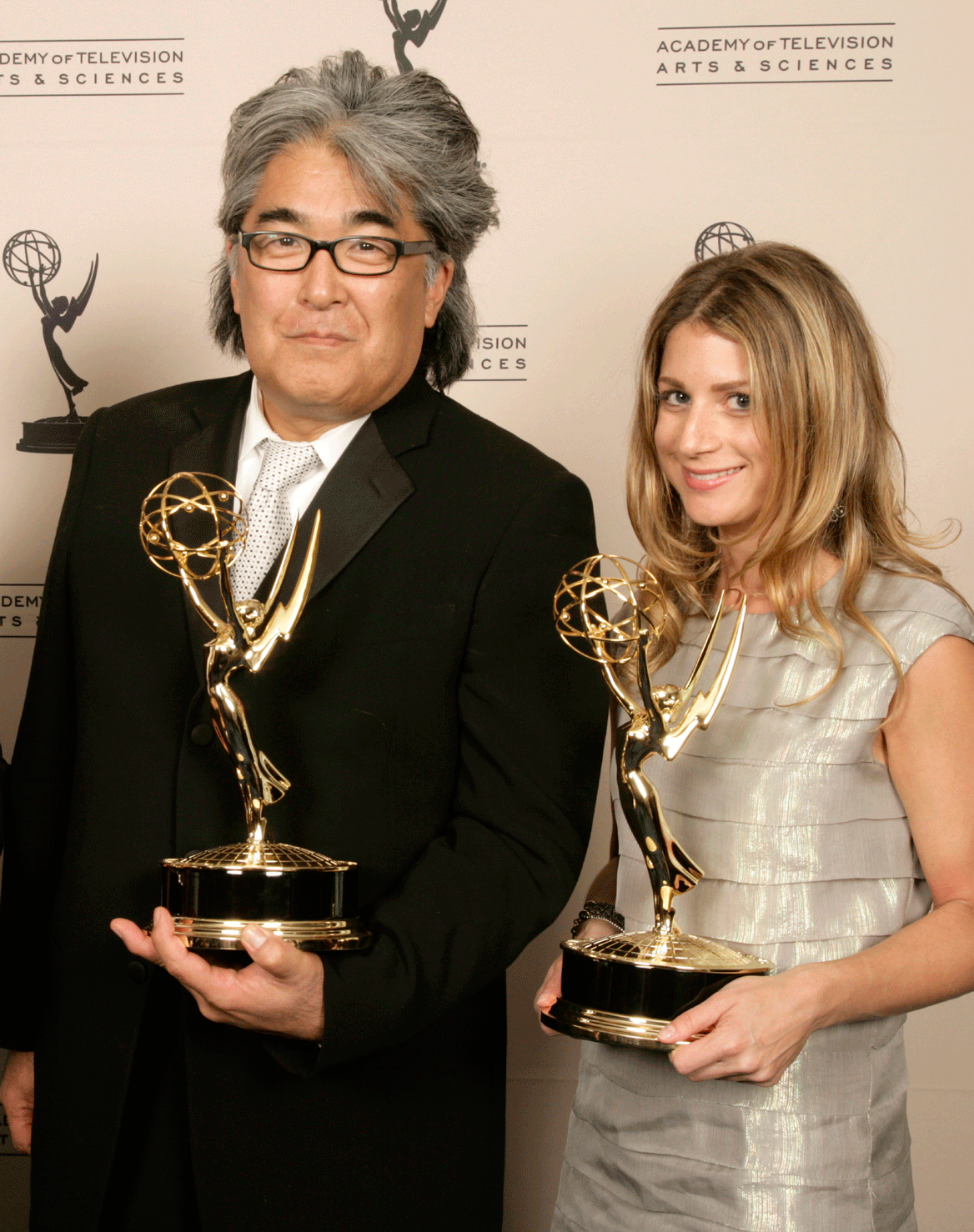
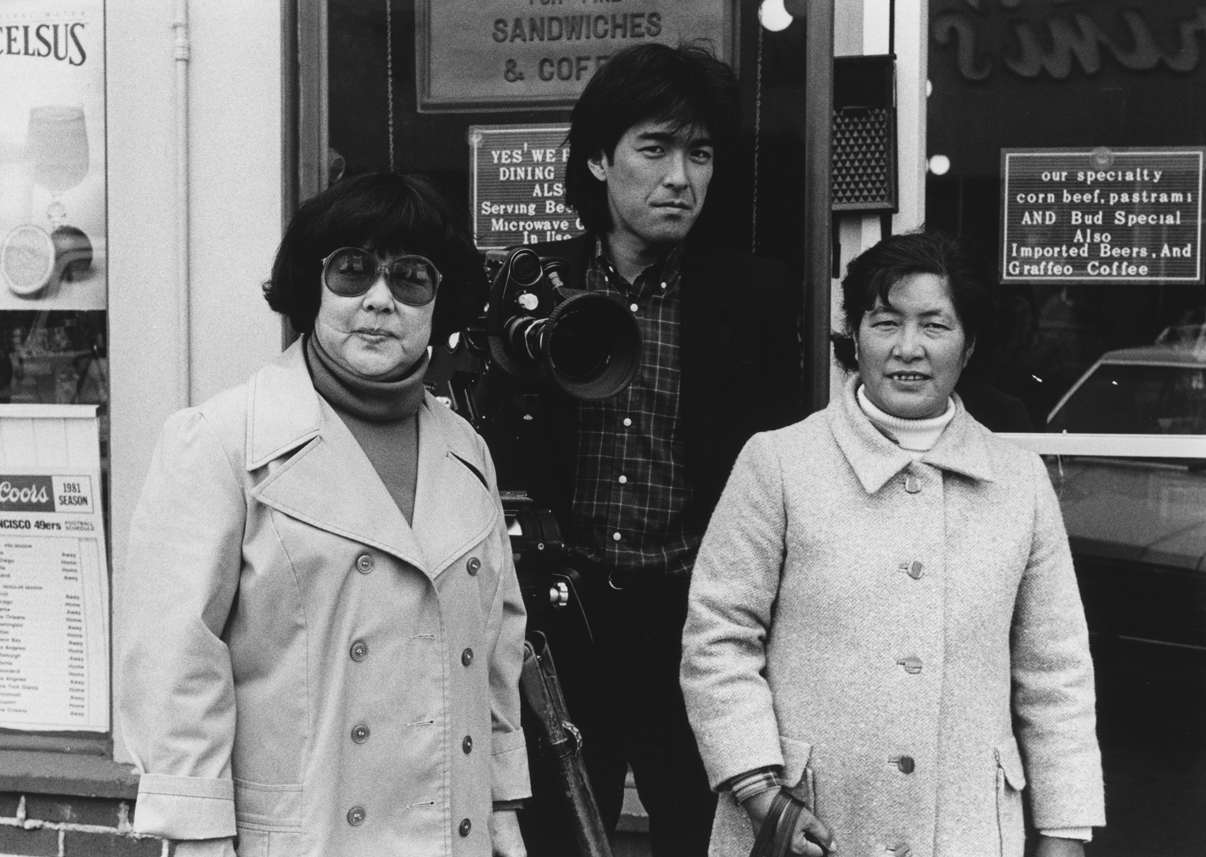
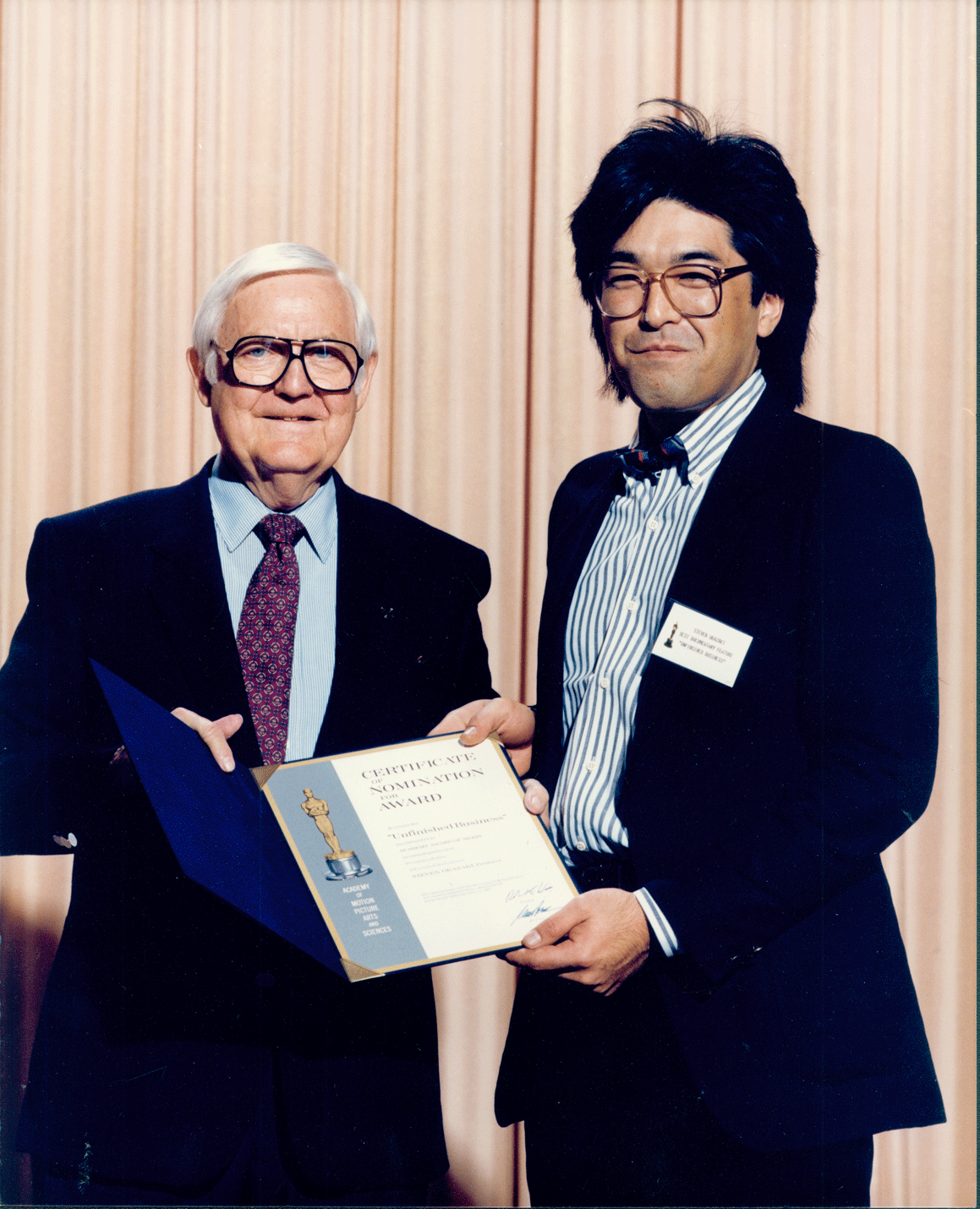
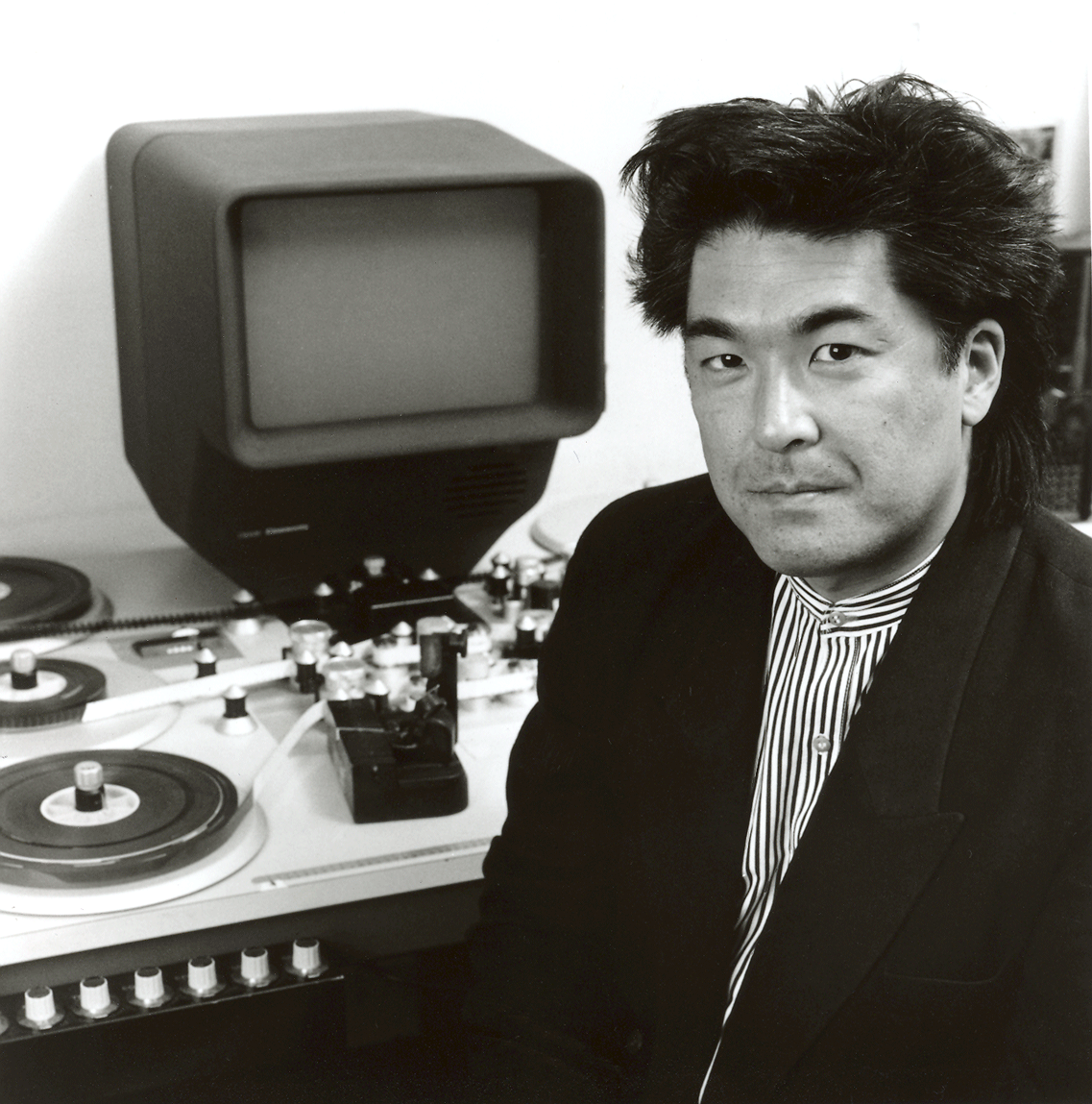
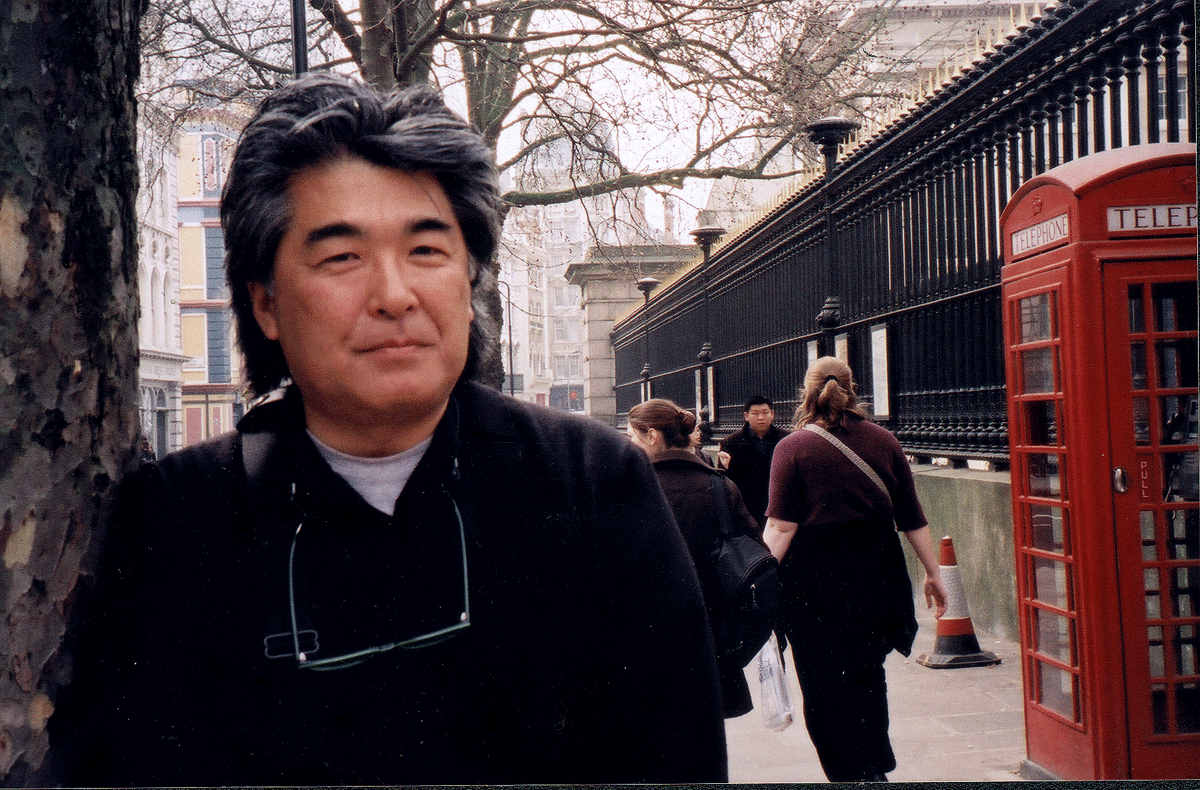
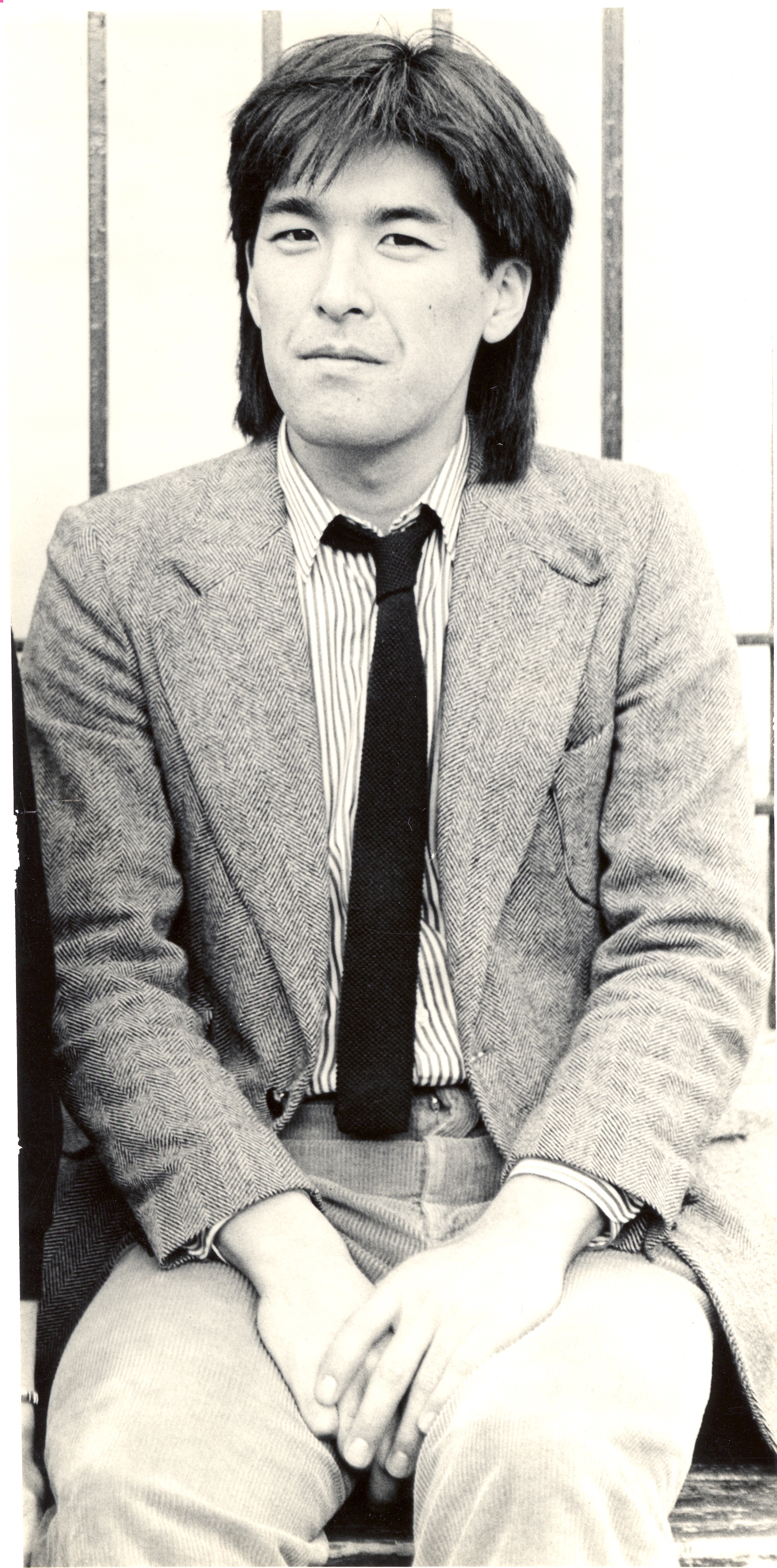
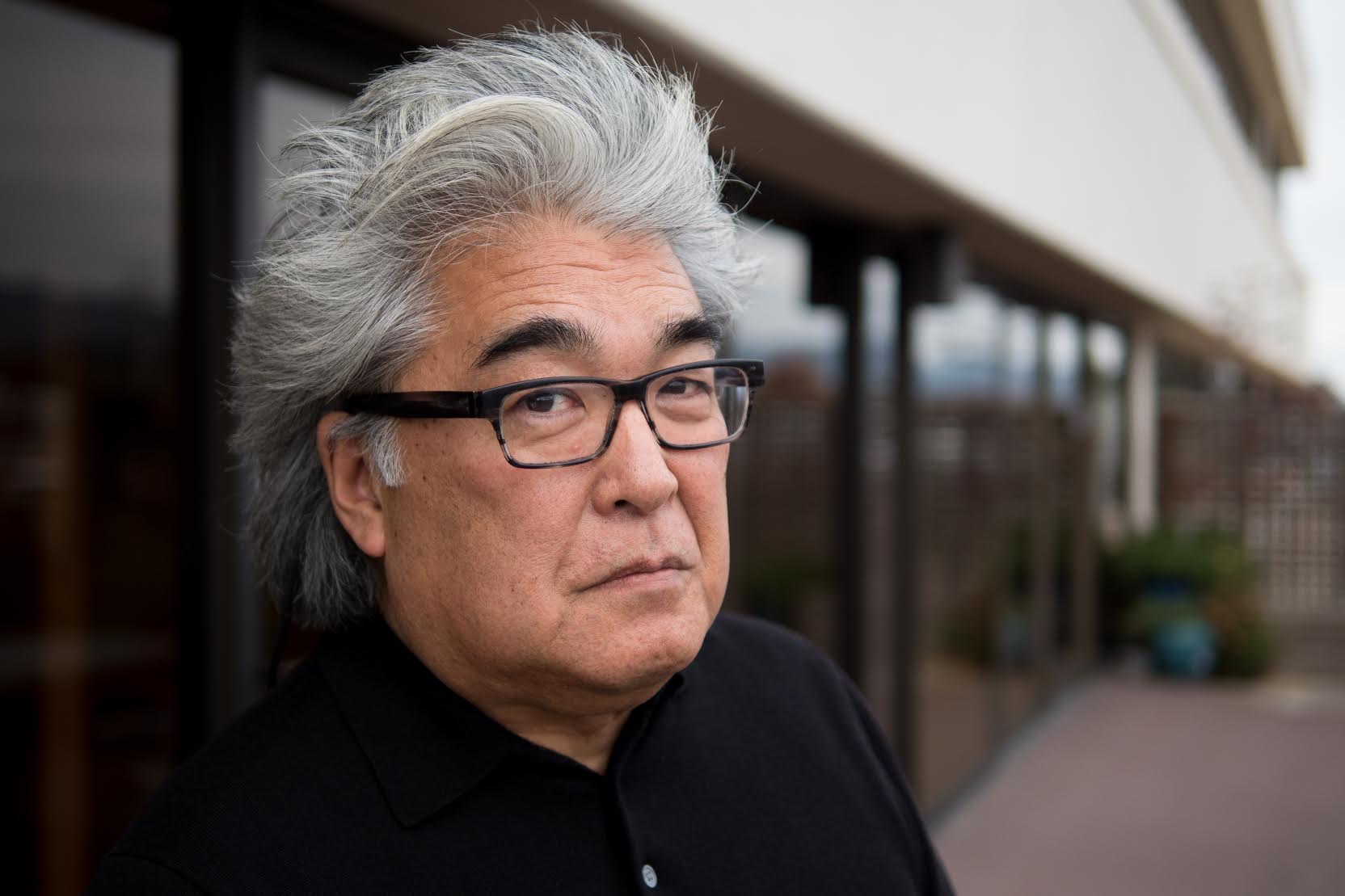
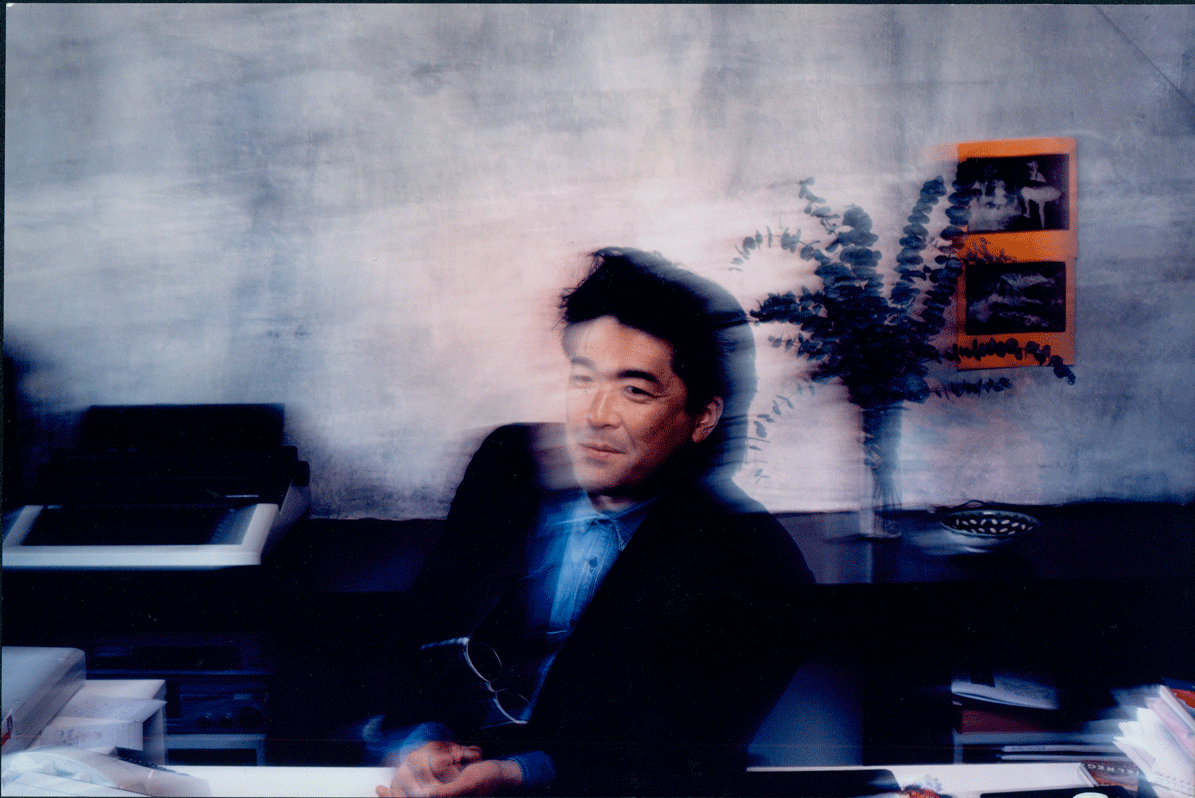
Steven Okazaki’s films explore a range of subjects - from nuclear war to drug addiction to pop culture in Tokyo and food-on-a-stick at the Minnesota State Fair. He is a four-time Academy Award® nominee and won the Oscar® in 1991. He’s also the recipient of a Primetime Emmy for "Exceptional Merit in Non-Fiction Filmmaking,” a Peabody Award; Camerimage’s "Outstanding Achievement Award;” the Grand Prize at the Banff World Media Festival; the Grand Prix at the Clermont-Ferrand International Short Film Festival, and the "Honorary Citizen Award” from the City of Hiroshima.
Steven was born in Los Angeles in 1952; grew up in Venice, California; graduated from Venice High in 1970; and graduated from San Francisco State University film school in 1976. He began his professional career producing and directing children’s films for Churchill Films in Los Angeles until the educational film market collapsed in 1978. Between working as a P.A., he painted and played in garage bands (including the infamous punk trio The Maids with TOKYO TIME co-writer John McCormick) before making his first PBS documentaries, SURVIVORS (1982) for WGBH Boston's “World” (now “Frontline”) and the Oscar® nominated UNFINISHED BUSINESS (1985), the story three men who challenged the incarceration of Japanese Americans during WWII.
Encouraged by an American Film Institute Fellowship, he moved in a different direction with LIVING ON TOKYO TIME (1987), a low-budget comedy about a Japanese dishwasher’s green card marriage to a Japanese American slacker, which premiered at the Sundance Film Festival and was released theatrically by Skouras Pictures.
In 1991, he won the Oscar® for DAYS OF WAITING, his film about a Caucasian artist in a mixed marriage incarcerated with the Japanese Americans during World War II. In 1992, he made TROUBLED PARADISE, which looked look at native culture and activism on the Big Island of Hawai'i, followed by AMERICAN SONS (1993), which explores how Asian American men’s lives are shaped by racism. In 1995, he collaborated with Japan’s NHK, producing some of the earliest High-Definition documentary programming. and winning two UNESCO awards.
In 1996, he began a twenty-year association with HBO Documentary Films, working with legendary Executive Producer Sheila Nevins. BLACK TAR HEROIN chronicled two years in the lives of young heroin addicts and was one of HBO's highest rated documentaries in 1999. REHAB (2005), a disturbing look at drug recovery programs, won the prestigious Nancy Dickerson Whitehead Award, honoring journalists who have "demonstrated the highest standards of reporting on drug issues." He received his third Oscar® nomination for THE MUSHROOM CLUB (2006), a personal look at the city of Hiroshima. His most ambitious production, WHITE LIGHT/BLACK RAIN (2007), a vivid accounting of the atomic bombings of Hiroshima and Nagasaki, premiered at Sundance and won a Primetime Emmy. In 2009, he received his fourth Oscar nomination for THE CONSCIENCE OF NHEM EN, which tells the story of a young Khmer Rouge soldier who photographed 6,000 men, women and children before they were executed. His last film for HBO, HEROIN: CAPE COD (2015), an intimate look at the heroin epidemic, was screened for the White House and helped bring the Oxycontin Crisis to national attention.
When possible, the filmmaker tried to balance the weighty subjects with lighter ones, as with Tokyo pop culture in HUNTING TIGERS; the Minnesota State Fair in THE FAIR; Wilco’s experimental guitarist in APPROXIMATELY NELS CLINE; and a tribute to his childhood hero Toshiro Mifune MIFUNE; THE LAST SAMURAI, which screened at more than twenty international film festivals, including Venice, London and Telluride, and was released theatrically in the U.S. by Strand Releasing. Segments from his films have been featured on The CBS Evening News, The NBC Nightly News, ABC News Nightline, CNN and Oprah. Currently, he is proud to be the Executive Producer of Yuriko Gamo Romer’s baseball documentary DIAMOND DIPLOMACY and Daisy Okazaki’s THE SOUL OF MANY PLACES.
Steven and his wife have a daughter and live in the Bay Area.